Trends Shaping the Manufacturing Industry in 2024
1. Growing supply chain resilience
2. Warehouse space optimization
Amid inflation and economic uncertainty, industrial space costs have risen. Manufacturers now need to focus on optimizing warehouses to cope with these challenges. Data from December 2023 shows that national industrial rents average
$7.70 per square foot, reflecting a 7.4% increase compared to the previous year.
In 2024, manufacturers may need to engage in comprehensive warehouse layout analyses and find ways to better utilize their space. This will include reorganizing storage areas, optimizing aisle configurations, and investing in solutions to use vertical space more effectively. Technology and automation like Warehouse Management Systems (WMS), barcode scanning systems, RFID tagging, and automated storage solutions can also streamline warehouse operations for more cost savings.
3. Greater investment in sustainability
Since the start of the decade, legislators have passed several laws designed to incentivize and support manufacturers that invest in improving their sustainability profile, particularly energy efficiency. In 2023, the U.S. Treasury unveiled guidelines under the Inflation Reduction Act for manufacturers to claim tax credits for investment in clean energy and transition away from fossil fuels. Manufacturers can completely overhaul their operations this year and move closer to a carbon neutral future without incurring significant investment costs.
4. Navigating ongoing worker shortages
The manufacturing sector continues to face challenging labor markets and skills gaps, with industry specialists expecting the problems to intensify in 2024. This is a multifaceted challenge, driven by economic uncertainty, the ongoing shortage of labor throughout the economy, supply chain disruptions, and the need for high tech manufacturing skills that many in the workforce don’t yet possess. In a survey by the National Association of Manufacturers (NAM),
nearly 75% executives identified attracting and retaining a quality workforce as their primary challenge. In lieu of solving these systemic problems, a key strategy in 2024 will be investment in technology to streamline operations and improve labor productivity.
5. Digitalization and industry 4.0
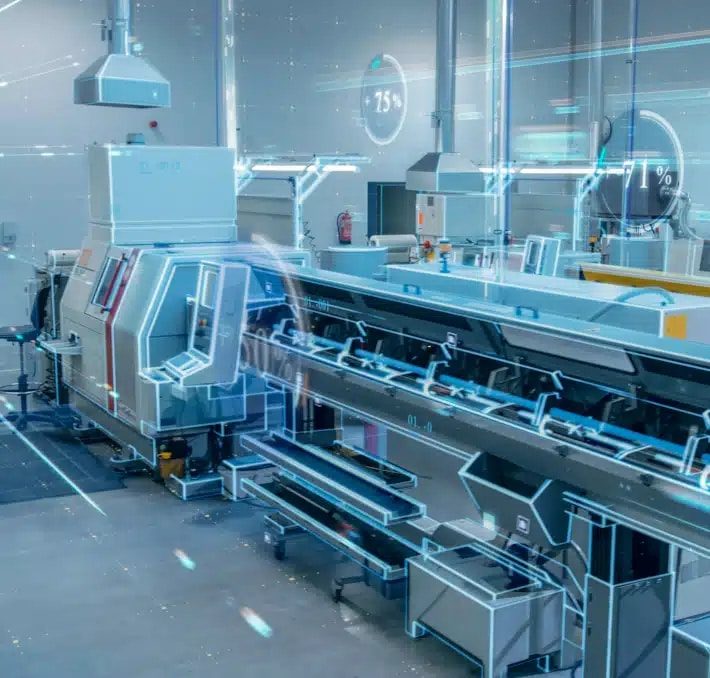
Deloitte foresees a growing adoption of the smart factory concept among are trends shaping the manufacturing industry this year. This involves the integration of advanced technologies such as AI, IoT, and data analytics to enhance efficiency and agility across their entire operations. The focus will likely focus on supply chain and procurement through digital tools, including applications in the industrial metaverse. Regardless of a manufacturer’s current digital transformation strategy, it’s important to plan a wide solution implementation, including improving sales efficiency and the customer experience with Configure, Price, Quote (CPQ) software.
Mastering 2024’s manufacturing trends with Configure One Cloud from Revalize
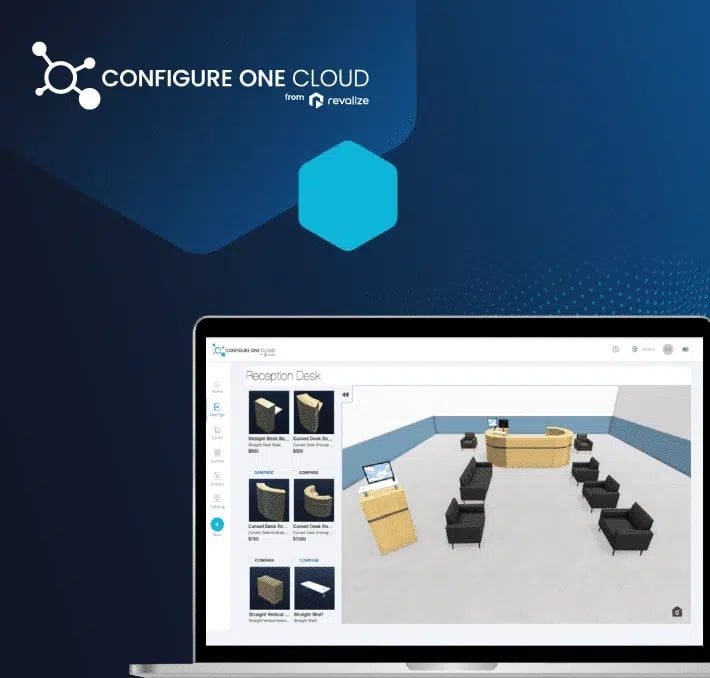
For manufacturers to maximize their potential in the new year, Configure One, a cutting-edge CPQ platform designed specifically for the diverse requirements of custom manufacturers, can be a valuable asset. Configure One empowers manufacturers to automate time-consuming configuration and quoting processes, free up valuable sales and engineering resources, and update customer interactions for the e-comm era. Interested in experiencing the platform firsthand?