Benefits of Upselling and Cross-Selling
Manufacturers can’t count on fully owning a niche in today’s competitive market. The best strategy for protecting profit is to gain an edge on the competition any way they can. Improving sales efficiency — especially with technology that streamlines processes and helps close deals quickly — is one of the fastest ways to pad your bottom line.
With the right tools in place, you can do more than improve sales efficiency — you can find ways to add value for customers with data-driven cross-selling and upselling. How do you achieve this without coming across as pushy or betraying trust? Let’s look at some of the leading techniques for cross-selling and upselling, and the technology platforms that can help.
What is Upselling and Cross-Selling?
Upselling occurs when sales tries to persuade the customer to upgrade their purchase to a more expensive, premium version of the item they’re interested in. Cross-selling is when sales recommends a different product for a customer as an add-on. Both techniques can help customers achieve their goals while also increasing the value of a sale for the manufacturer.
Let’s assume a customer wants to
order a series of custom service and mechanic trucks. The order will already be quite substantial, but there is opportunity to increase revenue while providing even more value to the customer. In this hypothetical, sales could cross-sell complementary auxiliary power units, additional storage, and other extras at a discount for each truck to create even higher profit margins.
Why Is Upselling and Cross-Selling so Important?
The bottom-line benefit of upselling and cross-selling is the additional income you’re receiving from successful orders — but that’s just the start. Cross-selling and upselling also helps build a better working relationship with the customer.
If the customer sees the upsell as an opportunity to get a better product, they’ll trust your brand more and continue to buy from you. This lays the groundwork for creating steady revenue. In fact, Hubspot found that cross-selling and upselling can
drive as much as 30% of revenue.
Another key reason why upselling and cross-selling are so important is they can increase your customer lifetime value (CLV). This metric tracks the total revenue a customer will bring to your business for as long as they’re a customer.
If a customer has a CLV of $5,000, then you can expect to generate that much from them in sales over the course of the relationship. Effective upselling and cross-selling can increase a customer’s CLV, since they keep generating more revenue for your company.
How Can a CPQ Solution Help?
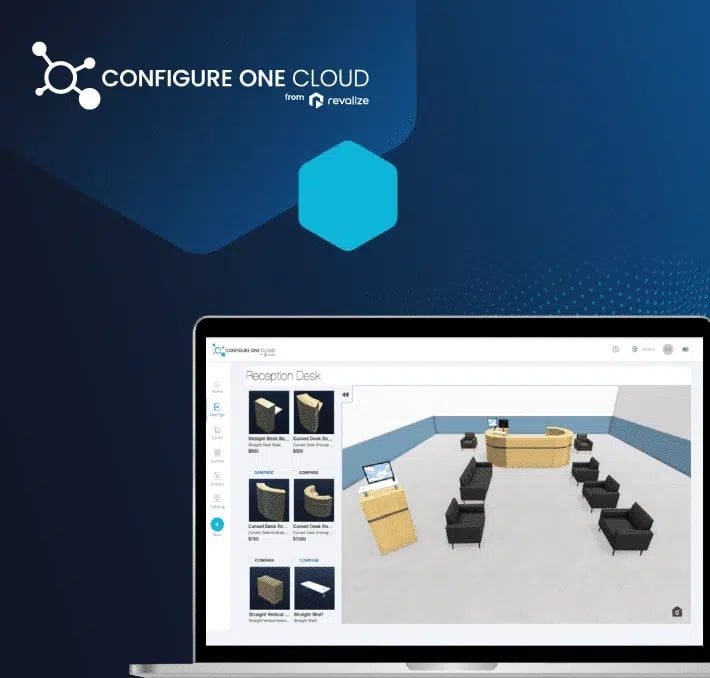
One of the best ways to help your sales team upsell and cross-sell is with a Configure, Price, Quote (CPQ) solution. These platforms display price points for different products and configurations, and can automatically alert customers to discounts on complementary products. The pricing transparency helps customers come to their own decisions about making additional purchases, without feeling pressured by sales, which can tarnish trust and hurt brand loyalty.
On the backend, the CPQ platform will analyze customer behavior and notify your sales team of additional opportunities to upsell and cross-sell that might have otherwise slipped through the cracks. This type of automation can help sales focus their efforts on real opportunities rather than wasting time looking for trends. It also empowers new sales employees to get started quicker and with less training.
Know What Your Customers Want, Even Before They Do
If your manufacturing sales division is not actively using an upselling and cross-selling strategy, then a CPQ solution can help you catch up with the rest of the industry. This will not only net you more sales, but it will also improve your relationships with your customers.
Configure One Cloud from Revalize boasts some of the world’s leading sales automation features, including data analytics to identify cross-selling and upselling opportunities, an advanced product visualizer, and a configurator to accelerate the time to quote for custom products.